Why Roofs Start Leaking in March: The Freeze–Thaw Trap Above Your Ceiling
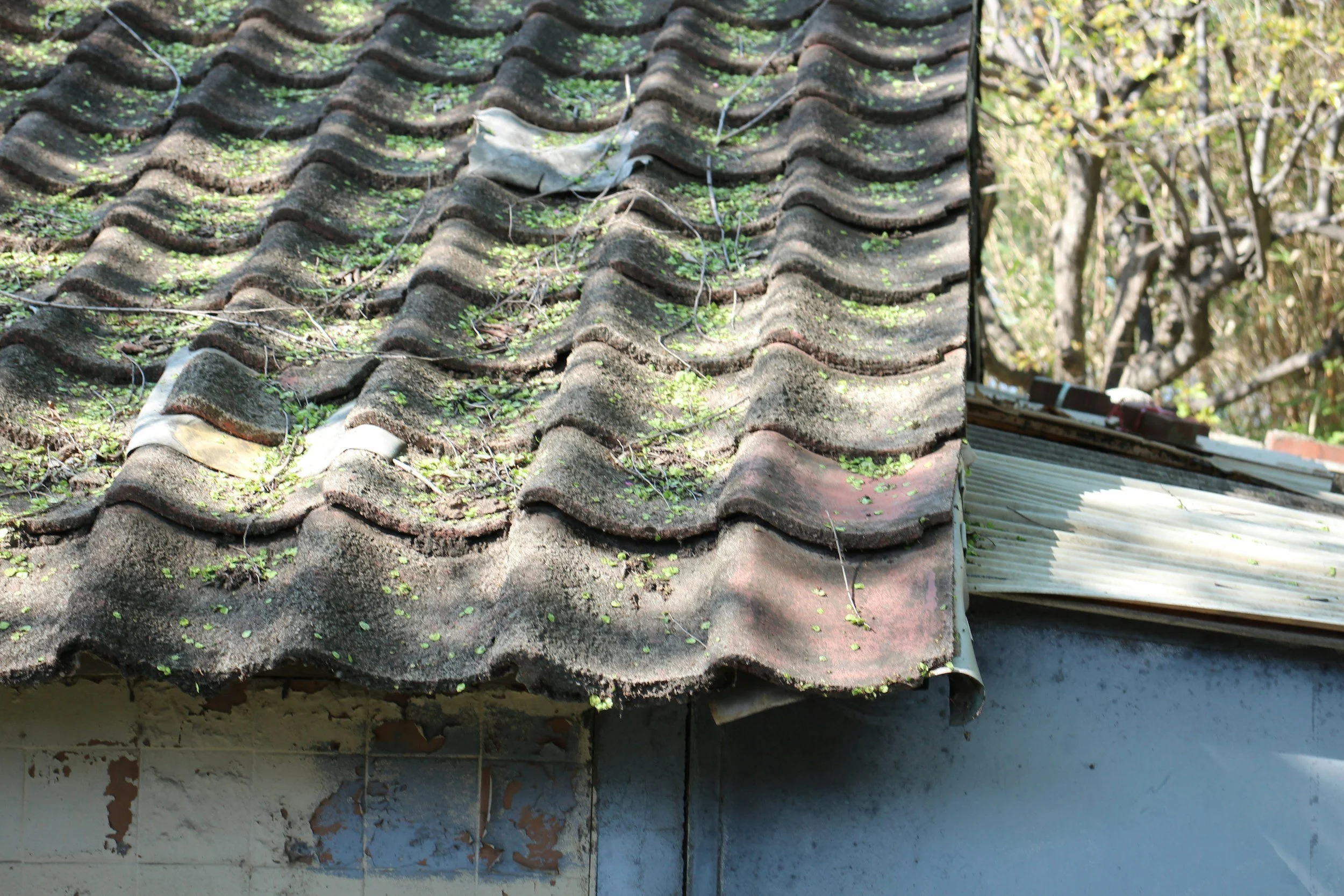
What happens to your roof when temperatures cross 0°C?
The winter-to-spring transition places additional stress on residential buildings. Daytime temperatures rise above freezing, while nights still drop below 0°C — creating repeated freeze–thaw cycles within the roof structure.
In practice, this is when homeowners begin noticing early signs of potential roof leakage:
ceiling stains
attic moisture
condensation in insulation
mold formation
A spring building inspection often reveals that moisture has already entered through micro-gaps around:
chimneys
roof windows
ventilation outlets
flashing connections
Repeated expansion from freezing water can weaken roof waterproofing, eventually leading to the need for roof repair in spring.
Ice dams: A common cause of roof leaks in early spring
When working on apartment and private house renovation projects, ice dam formation at the roof eaves is one of the most common issues identified after winter.
When heat escapes through insufficient roof insulation:
Snow melts above warmer roof areas
Meltwater flows toward colder eaves
Water refreezes and forms an ice barrier
Once this barrier forms, drainage is restricted and water may be forced:
beneath tiles
under metal roofing overlaps
beneath roofing membranes
This often results in water infiltration that becomes visible only when interior finishes are already affected.
Why does the damage appear indoors first?
Externally, the roof may still appear intact.
However:
wet insulation may lose up to 50% of effectiveness
timber roof structures begin absorbing moisture
mold risk increases
heating costs may rise
For this reason, a preventative roof inspection in spring is increasingly recommended as part of regular property maintenance.
Some property owners choose to combine this with a full apartment or house condition assessment in order to:
identify potential roof leak risks
evaluate ventilation performance
check insulation moisture levels
prepare renovation plans if needed
This approach allows renovation works to be planned proactively, rather than reacting to visible damage later.
The seasonal shift from sub-zero to positive temperatures is one of the main reasons why roofs start leaking in March. Early inspection and professional assessment can help avoid full apartment or house renovation later in the season.