Old Wooden Windows vs Modern PVC Windows: The Winter Effect After Replacement
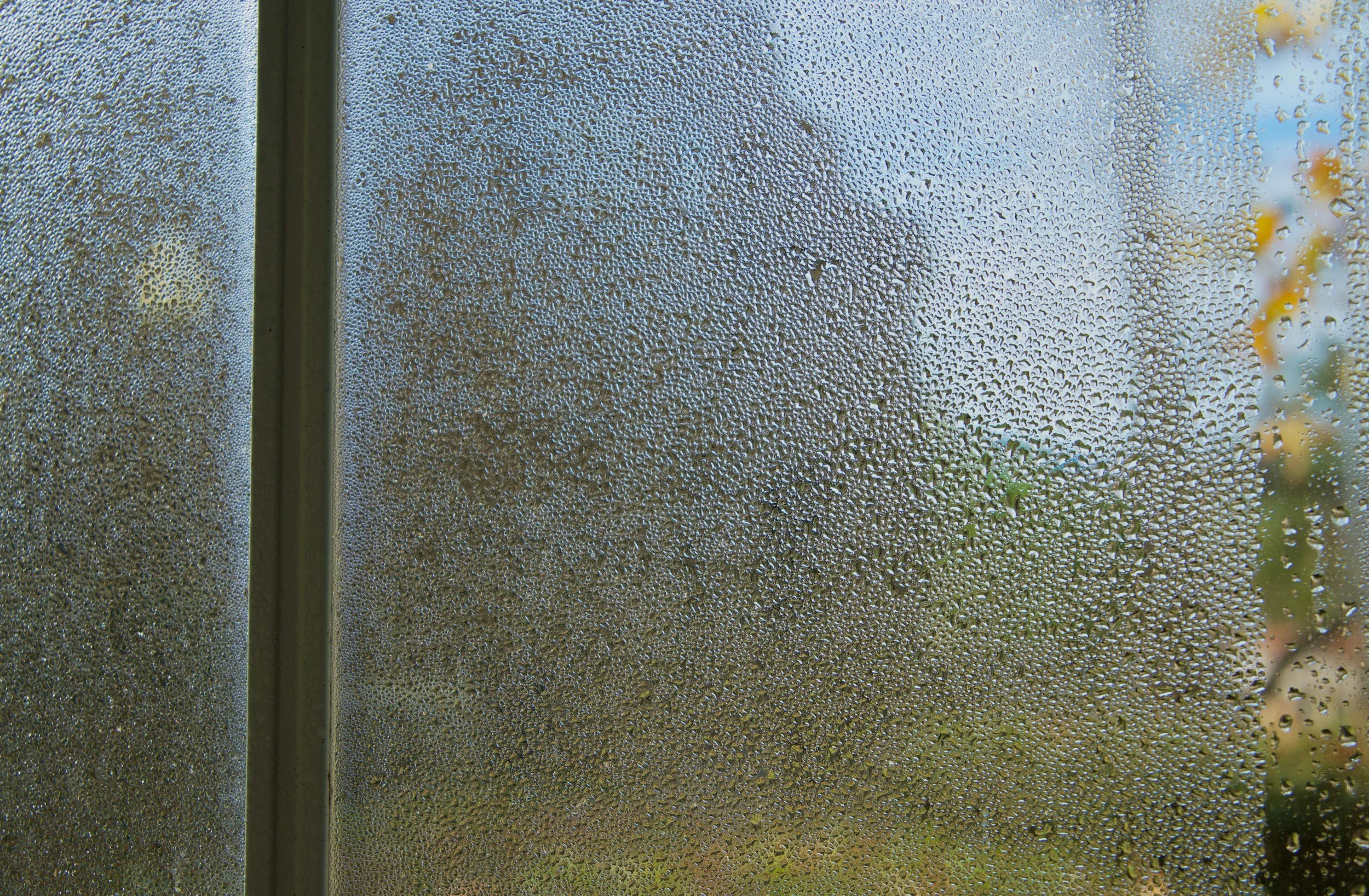
Replacing windows is one of the most common upgrades in Riga apartments, especially in pre-war and Soviet-era buildings.
However, many residents experience unexpected problems after installing new PVC windows:
moisture, fogging glass, unpleasant odors, and sometimes mold — particularly in winter.
This is rarely a window quality issue.
It is almost always an air exchange problem.
Why old wooden windows didn’t cause these issues
Old wooden windows:
were not airtight,
allowed constant micro-airflow,
provided natural, uncontrolled ventilation.
In winter, this meant:
moisture slowly escaped,
walls and surfaces dried more easily,
odors did not accumulate.
Energy efficiency was poor, but ventilation happened naturally.
What changes with modern PVC windows
Modern windows are:
airtight,
highly insulating,
designed to eliminate infiltration.
If no fresh air supply is added, the result is:
moisture from daily life remains indoors,
indoor humidity rises,
condensation forms on cold surfaces,
odors and stale air appear.
This is the classic “winter effect” after window replacement.
Why opening windows is not enough
“Just ventilate more often” is an incomplete solution.
Problems with this approach:
air exchange is irregular,
building materials don’t dry properly,
temperature fluctuates sharply,
heat losses increase.
Apartments need continuous, controlled air supply, not occasional airing.
What actually works: air in + air out
A proper solution includes:
fresh air inlet valves (window, wall, or frame),
functional exhaust ventilation (kitchens and bathrooms),
balanced airflow throughout the apartment.
No supply means exhaust fails.
No exhaust means supply is useless.
It must work as a system.
Typical signs of insufficient air exchange
windows fog up quickly,
water collects on window sills,
stale odor, especially in the morning,
moisture spots in corners,
heavy indoor air in winter.
These are not cosmetic issues.
They are physical indicators.
The Ki Hus approach
Ki Hus treats windows as part of a complete building system, not as isolated products.
Our approach:
assess air exchange before and after window replacement,
design proper air supply solutions,
integrate ventilation with renovation works,
prioritize indoor comfort and health alongside energy efficiency.
A warm window in a damp apartment is not a successful renovation.
Final thought
Replacing old wooden windows with modern airtight units without addressing ventilation often creates new problems — especially in winter.
Moisture, odor, and mold risk are not failures of the windows themselves, but of the overall system design.
Ki Hus delivers high-level apartment renovations where energy efficiency and indoor air quality are solved together — professionally and sustainably.